
 English
 Русский
 Turkish
 Português (Brasil)
 한국어
한국어 العربية
 Español
 ไทย
ไทย Tiếng Việt
 Français
 中文
中文 Deutsch
 Bahasa Indonesia
 Italiano
 日本語
日本語 Polski
 Українська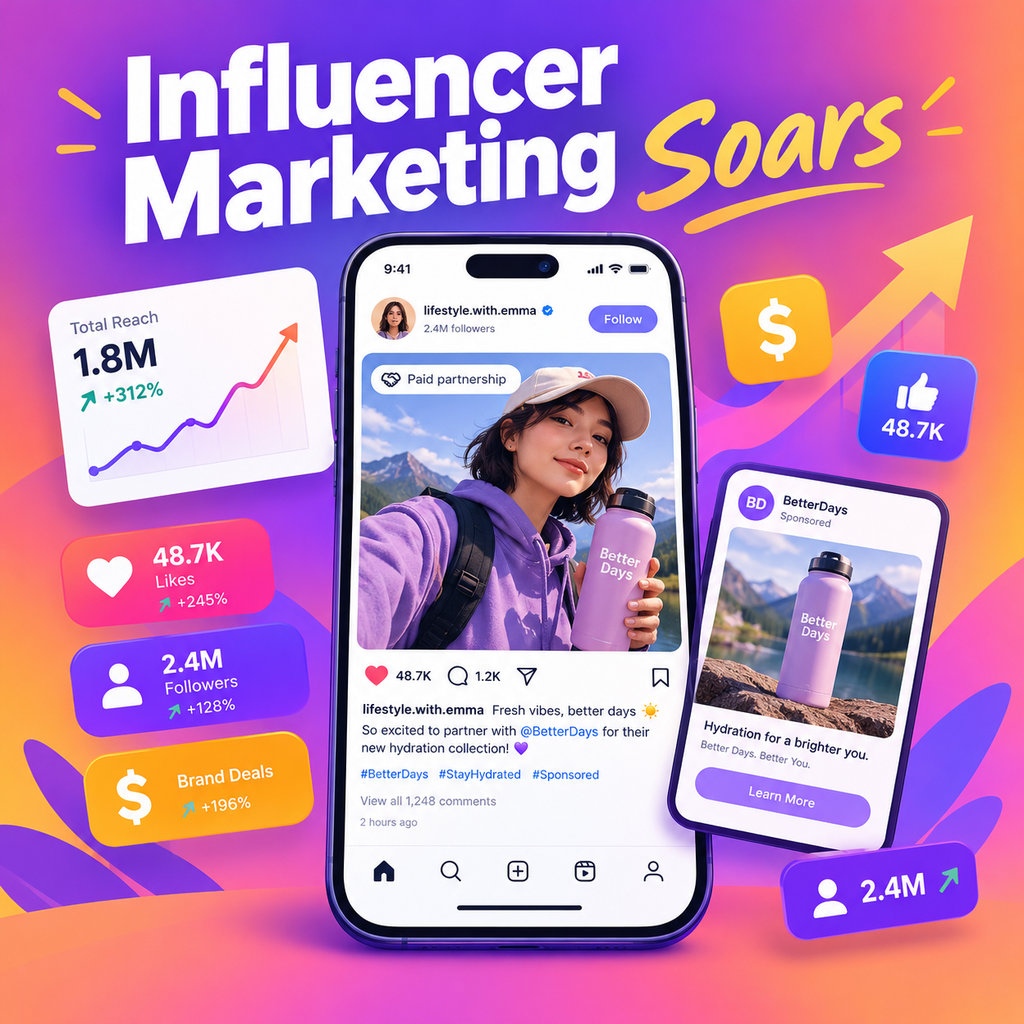
The Creator Economy's Uneven Playing Field
While the broader creator economy hits turbulence—subscription fatigue, ad revenue dips, and platform policy whiplash—influencer marketing is defying gravity. In 2024, the global influencer marketing industry ballooned to $24 billion, up from just $1.7 billion in 2017. That's a 14x jump in seven years. Meanwhile, the creator economy's total valuation hovers around $155 billion in 2024, with projections of $480 billion by 2027. The gap tells a story: as standalone content businesses struggle, brand partnerships are the jet fuel keeping many creators aloft.
Business Insider checked in with 11 industry sources, and the consensus is clear—influencer marketing isn't just surviving; it's thriving. But why? And what happens when the rest of the creator economy catches up? Let's dissect the forces at play.
Why Influencer Marketing Is Defying the Downturn
Unlike the creator economy's fragmented revenue streams—subscriptions, digital products, affiliate links—influencer marketing offers something brands desperately need: measurable ROI. When U.S. marketers spent $10 billion on social media sponsored content in 2025, they weren't just buying eyeballs. They were buying trust, community, and conversion. And trust, it turns out, is recession-proof.
As one industry insider put it: "The creator economy is a marathon. Influencer marketing is a sprint that actually pays the bills while you run it." This sentiment echoes across the ecosystem. While creators grapple with income instability and algorithm changes, brand deals provide a steadier lifeline. Platforms like TikTok and Instagram have doubled down on creator funds and marketplace features—but nothing beats a direct check from a sponsor who values your niche.
Moreover, influencer marketing has evolved beyond one-off posts. Smart brands now prioritize long-term partnerships that prioritize trust, engagement, and long-term results. This shift from fleeting visibility to sustained collaboration is a key reason why influencer marketing remains a bright spot in an otherwise cloudy creator landscape.
The Shift from Broadcast to Connection
Traditional influencers broadcast to the masses. Creators connect with communities. That distinction is driving brand budgets. A celebrity with 10 million followers might drive awareness, but a micro-influencer with 10,000 engaged followers drives action. Brands have wised up. They're not just chasing reach impressions; they're chasing relevance.
Consider this: Micro- and nano-influencers often generate higher trust and engagement than celebrities. Why? Because their content feels genuine—unscripted, value-driven, and rooted in real relationships. A tech reviewer who explains a new gadget in everyday language will always outperform a polished ad that screams "sponsored." It's peer-to-peer trust over mass media strategies, and it's working.
This shift isn't just a trend; it's a structural change. As the creator economy matures, audiences are gravitating toward creators who provide guidance, not just entertainment. They're seeking niche expertise—parenting advice, sustainable fashion hauls, coding tutorials—and brands are following the breadcrumbs.
Three Entities, One Ecosystem: Firms, Influencers, Platforms
To understand why influencer marketing soars, you need to see the ecosystem for what it is: a three-way value exchange among firms, influencers, and platforms. Each entity pursues competing objectives—short-term revenue vs. long-term equity—yet their fates are intertwined.
Firms want customer equity: the lifetime value of every new customer an influencer brings. Influencers want follower equity: a loyal community they can monetize without selling out. Platforms want user equity: engagement that keeps eyeballs glued and ad dollars flowing. When these three align, magic happens. When they clash, the system stutters.
Take platforms like YouTube and TikTok. They assist influencers in expanding reach, which grows their own user base. But they also hold the levers—algorithm changes, monetization rules, data policies. This power dynamic is a double-edged sword: creators gain distribution, but they're also at the mercy of opaque decisions. As one expert noted, "Platforms manage the interactions between firms, influencers, and users, exercising significant control over the value creation process." That control is both a lifeline and a liability.
The Authenticity Paradox: Monetization Without Selling Out
Here's the rub: influencer marketing works because audiences trust creators. But that trust is fragile, eroded by over-commercialization or lack of transparency. The minute a trusted creator starts shilling everything from detox teas to sketchy crypto, their credibility nosedives. It's the authenticity paradox—the more you monetize, the harder it becomes to maintain the very thing that makes you monetizable.
Smart creators walk a tightrope. They choose partnerships that align naturally with their identity and audience expectations. They disclose sponsorships openly, often using platform tools like Instagram's "Paid Partnership" tag. They focus on value-add content—a makeup tutorial where the product genuinely solves a problem, for instance—rather than interruption marketing.
Brands, too, are evolving. Instead of forcing scripts, they're giving creators creative freedom. The result? Content that feels unscripted, genuine, and gram-worthy—even when it's paid. As one industry report put it: "Influencer marketing is most effective when promotional content aligns naturally with a creator's identity and audience expectations." That's not just good ethics; it's good business.
Challenges on the Horizon: Regulation, Instability, and Platform Dependency
Make no mistake: influencer marketing has its own clouds. Regulatory scrutiny is ramping up. Governments worldwide are introducing guidelines on advertising disclosure, data privacy, and consumer protection. The FTC in the U.S. has been especially active, issuing warnings and fines for undisclosed sponsorships. Ethical practices—transparency, responsible messaging—are no longer optional; they're survival tactics.
On the creator side, income instability remains a pervasive issue. Even as influencer marketing grows, many creators rely on a handful of brand deals. Platform dependency is another risk: a single algorithm tweak can tank reach overnight. Diversification across platforms and revenue streams—subscriptions, digital products, affiliate links—is the only buffer against these systemic shocks.
Yet these challenges are manageable. Creators who build direct relationships with their audiences—email lists, private communities, Patreon—are less vulnerable. Brands that invest in long-term partnerships rather than one-off campaigns see better results. And platforms? They're slowly realizing that creator success equals platform success. Expect more collaborative tools and revenue-sharing models in the coming years.
What's Next: The Future of Influence in a Mature Creator Economy
As the creator economy matures, the lines between influencer marketing and other monetization methods will blur. Creators will become brands themselves—launching product lines, subscription services, and experiences that extend beyond sponsored posts. Influencer marketing will evolve from a tactic to a cornerstone of digital commerce.
The smartest brands are already adapting. They're moving away from one-off influencer campaigns and investing in long-term content creator partnerships that drive conversions and lasting value. This shift is not just about reaching audiences; it's about building ecosystems where trust, engagement, and community are the primary currencies.
Ultimately, the influencer marketing boom signals a broader truth: in a world of content saturation, human connection wins. The creator economy may face growing pains, but influencer marketing—when done with authenticity and transparency—remains its most potent engine. The future belongs to those who can harness influence without sacrificing integrity. That's not just a strategy; it's a survival skill for the digital age.