

 English
 Русский
 Turkish
 Português (Brasil)
 한국어
 العربية
 Español
 ไทย
 Tiếng Việt
 Français
 中文
 Deutsch
 Bahasa Indonesia
 Italiano
 日本語
 Polski
 Українська
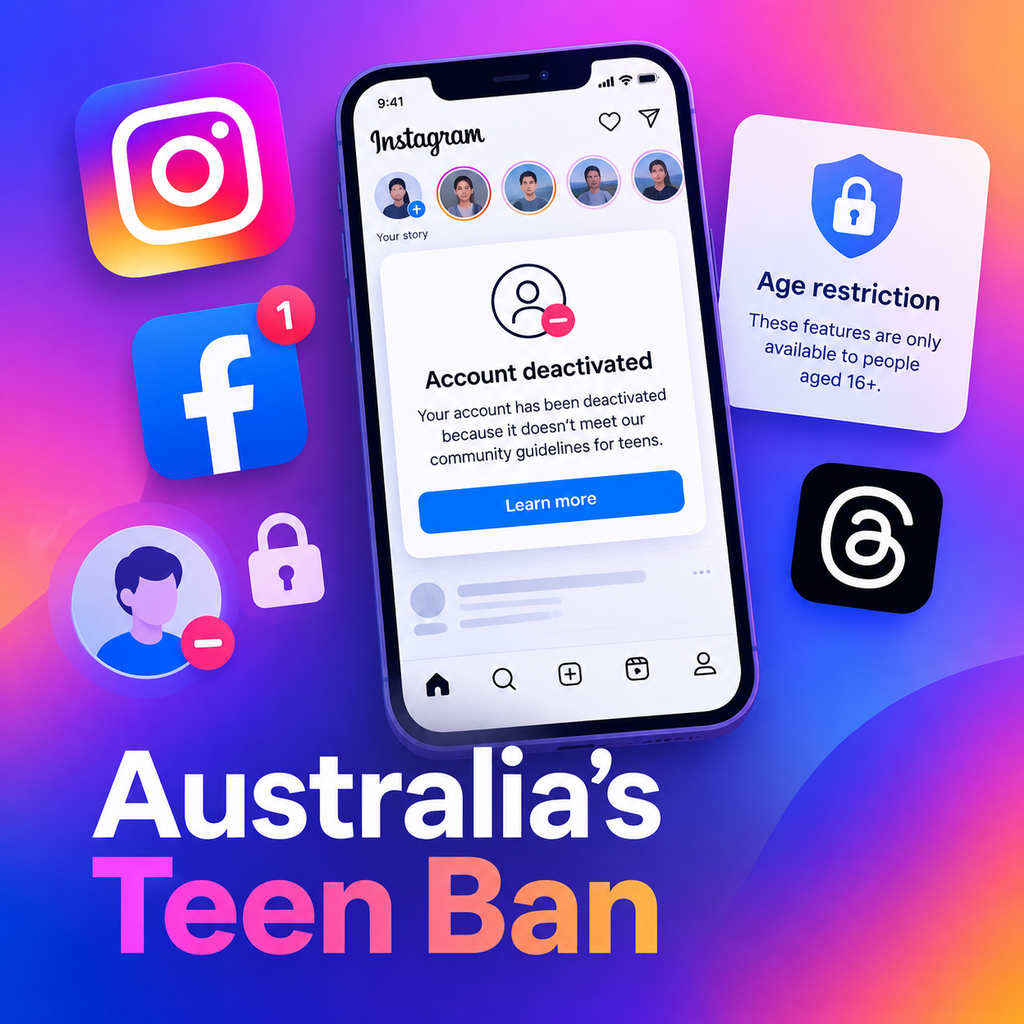
Meta's Sweeping Shutdown of Teen Accounts
In a move that has sent ripples across the Australian digital landscape, Meta has begun notifying thousands of teenagers that their Instagram, Facebook, and Threads accounts will be deactivated. The notifications, arriving via in-app alerts, emails, and text messages, mark the enforcement phase of Australia's world-first ban on social media for under-16s. Since the law took effect on December 10, 2025, Meta claims to have deactivated over 756,000 suspected underage accounts—a figure that underscores the scale of the compliance effort. But the story is far from simple, as regulators, parents, and teens grapple with the realities of a policy that aims to protect young minds but has sparked debates over privacy, enforcement, and effectiveness.
As the notifications roll out, many teens are discovering that their digital lives are about to change abruptly. The shutdown process began in early December, just days before the ban officially went live, with Meta targeting accounts belonging to users aged 13 to 15. The company has emphasized that this is not a one-time purge but an ongoing enforcement campaign, promising that "enforcement is ongoing, and these numbers will continue to grow." For a generation raised on social media, the loss of these platforms represents more than just a inconvenience—it's a seismic shift in how they connect, share, and express themselves.
The Mechanics of Meta's Age Verification
How exactly does Meta determine who is under 16? The company has turned to artificial intelligence to analyze user profiles for contextual clues. According to Meta, its systems look for signals such as birthday celebrations, mentions of school grades, or other indicators that an account may belong to someone under the legal age. This AI-driven approach supplements traditional age-verification methods, which have long been criticized for being easily circumvented by tech-savvy teens.
But the system isn't foolproof. Reports from Australian government figures and independent studies reveal that more than eight in ten under-16s were still active on social media during the ban's first three months. This discrepancy highlights the challenges of enforcing a digital age limit in a world where VPNs and fake birthdates are commonplace. Meta acknowledges these hurdles but insists it is meeting its obligations under the law. The company has also removed the option for users to make repeated attempts to set up new accounts after a previous one was deleted, a move designed to prevent workarounds.
For teens caught in the crosshairs, Meta offers a silver lining: the ability to download their photos, messages, and other content before losing access. They can also update their contact information to receive notifications when they turn 16 and become eligible to re-register. Alternatively, they can choose to delete their accounts immediately. These options, while practical, do little to soften the blow for those who have built significant portions of their social lives on these platforms.
Regulatory Pressure and Potential Penalties
The Australian government has made no secret of its determination to hold tech giants accountable. The landmark law, proposed amid growing concerns about social media's impact on the physical and mental health of children, came into force with stiff penalties for non-compliance. Initially set at AUD 49.5 million, the maximum fine for breaches was doubled to AUD 99 million (approximately USD 69.75 million) as part of a broader effort to compel platforms to take the ban seriously.
Australia's internet regulator is currently considering an enforcement lawsuit against platforms, including some owned by Meta, that it says have failed to take sufficient steps to comply. The government has even accused platforms of intentionally setting the ban up to fail—a charge that Meta denies. "We share the Australian Government's goal of ensuring young people have safe, age-appropriate experiences online, and we are meeting our obligations under the law," the company stated, striking a conciliatory tone despite its vocal opposition to the legislation.
The parliamentary inquiry scheduled for Friday will see representatives from Meta, TikTok, YouTube owner Google, and Snap's Snapchat give evidence about the changes. Regulatory and government officials will also testify, making it a pivotal moment for the future of the ban. With other countries around the world watching closely, Australia's experiment could set a precedent for how democracies regulate teen access to social media.
The Human Impact: Teens, Parents, and Digital Identity
Behind the statistics and regulatory battles are real teenagers whose daily routines are being upended. For many, social media is not just entertainment but a vital part of their social infrastructure—a place to share achievements, seek support, and stay connected with friends. The shutdown of their accounts can feel like a forced exile from a community they helped build.
Parents, too, are navigating a complex emotional landscape. While many support the intent behind the ban, they worry about the practical fallout: Will their teens lose access to important school-related groups? Will they turn to less regulated platforms? And how will they enforce the ban at home when peer pressure is immense? Meta's decision to notify teens directly, rather than routing all communication through parents, has raised questions about autonomy and privacy within families.
Mental health experts have weighed in, noting that the ban could have both positive and negative effects. On one hand, reducing screen time and social comparison may benefit some teens. On the other, abrupt disconnection from online support networks could exacerbate feelings of isolation, especially for those who rely on social media for community and identity exploration.
Enforcement Challenges and the Road Ahead
As Meta continues to deactivate accounts, the effectiveness of the ban remains a subject of intense scrutiny. The government's own data suggests that the majority of under-16s have found ways to stay online, whether through parental accounts, alternative platforms, or creative workarounds. This has led some critics to argue that the law is more symbolic than practical—a stance the government rejects, pointing to the doubling of penalties and expanded document discovery powers as evidence of its commitment.
Meta's compliance data, while impressive in volume, covers a specific date range from December to June and has not been matched by other platforms. This lack of transparency makes it difficult to assess whether the industry as a whole is meeting its obligations. The parliamentary inquiry is expected to shed light on these disparities and potentially lead to further regulatory action.
Looking ahead, the success of Australia's ban may hinge on international cooperation. If other countries follow suit, the pressure on teens to stay off social media could intensify. But if Australia remains an outlier, tech-savvy teens may simply migrate to platforms based elsewhere. For now, Meta's shutdown notifications serve as a stark reminder that the digital world is entering a new era of regulation—one where the line between protection and restriction is blurrier than ever.