

 English
 Русский
 Turkish
 Português (Brasil)
 한국어
한국어 العربية
 Español
 ไทย
ไทย Tiếng Việt
 Français
 中文
中文 Deutsch
 Italiano
 日本語
日本語 Polski
 Українська
 فارسی
فارسی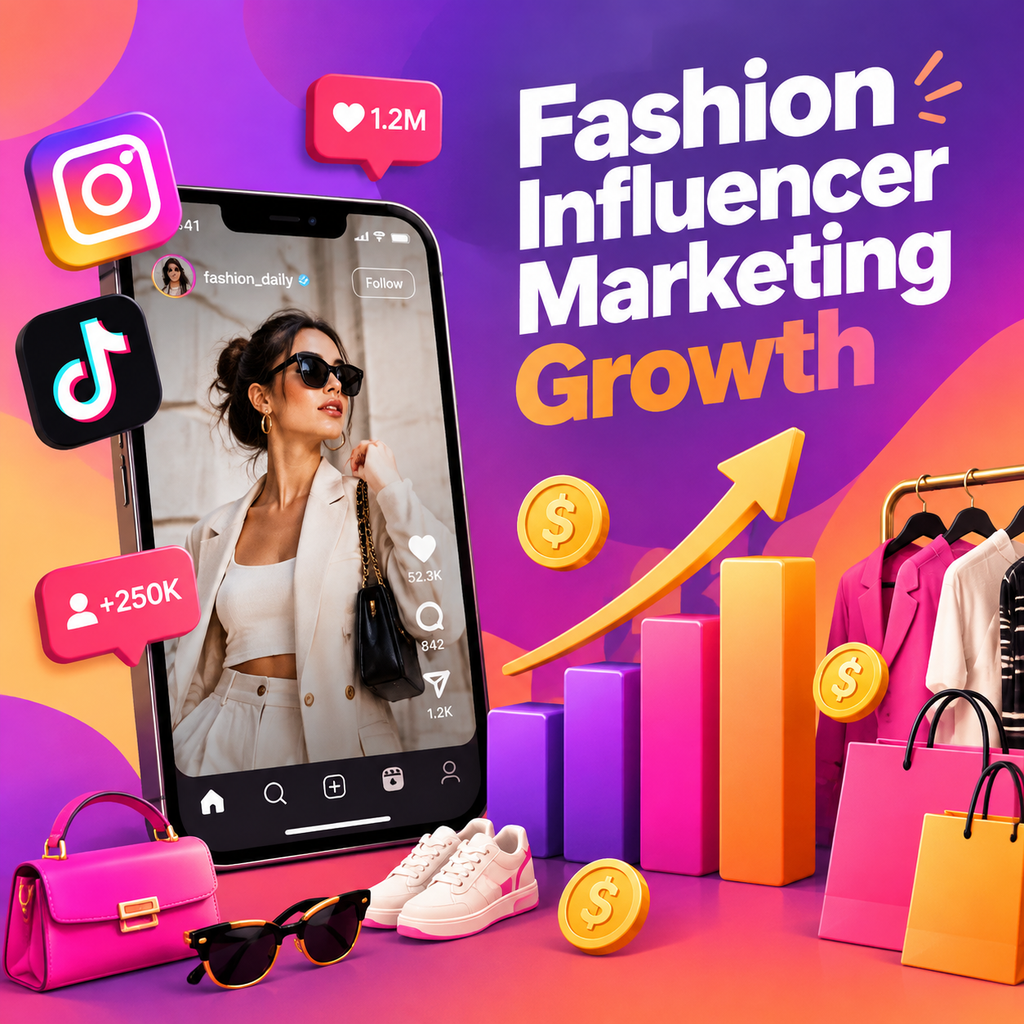
Fashion Influencer Marketing Market: A Meteoric Rise
The fashion influencer marketing market is experiencing explosive growth, transforming how brands connect with consumers. With a projected market size of $46.47 billion by 2031, according to recent analyses, this sector is redefining digital advertising. As social media platforms evolve and influencer authenticity becomes paramount, businesses are shifting budgets from traditional ads to influencer partnerships. This article delves into the market's size, share, and emerging trends, offering a comprehensive overview for stakeholders.
Market Size and Growth Forecast
Recent reports paint a picture of exponential expansion. For instance, one forecast estimates the market will grow from $8.36 billion in 2025 to $33.8 billion by 2030, at a CAGR of 32.1%. Another projection suggests a leap to $46.47 billion by 2031, with a CAGR of 32.5%. These figures underscore the massive potential, driven by increasing social media penetration and the rising trust consumers place in influencer recommendations.
The growth is not just in absolute numbers but also in market share. As more brands allocate larger portions of their marketing budgets to influencer campaigns, the fashion influencer marketing market is capturing a significant share of overall digital ad spending. This trend is expected to continue as ROI from influencer marketing often outpaces traditional methods.
Key Drivers Fueling Expansion
Several factors are propelling the fashion influencer marketing market forward. The proliferation of social media platforms like Instagram, TikTok, and YouTube provides fertile ground for influencers to showcase fashion trends. Consumers, especially Gen Z and millennials, rely heavily on influencer content for style inspiration and purchase decisions.
Moreover, advancements in technology, such as AI-driven analytics and augmented reality, enable more precise targeting and measurable results. Brands can now track engagement, conversions, and ROI more effectively, justifying increased investment. The shift towards authentic, relatable content also plays a crucial role, as influencers foster genuine connections with their audiences, driving higher engagement rates.
Regional Insights: North America and Europe Lead
North America currently dominates the fashion influencer marketing market, attributed to high digital adoption, a strong presence of major fashion brands, and a mature influencer ecosystem. The United States, in particular, is a hub for top influencers and innovative campaigns.
Europe follows closely, with the fastest growth rate projected during the forecast period. Countries like the UK, France, and Germany are witnessing a surge in influencer marketing, driven by fashion capitals and a tech-savvy consumer base. Meanwhile, the Asia-Pacific region is emerging as a lucrative market, with countries like China and India showing significant potential due to increasing internet penetration and a young population.
Segmentation by Influencer Type
The market segments by influencer type, including mega-influencers (over 1 million followers), macro-influencers (500k-1M), micro-influencers (10k-500k), and nano-influencers (1k-10k). While mega-influencers offer broad reach, micro and nano-influencers are gaining traction for their higher engagement rates and cost-effectiveness.
Brands are increasingly favoring micro-influencers for niche campaigns, as they often yield better ROI and authenticity. This shift is reshaping marketing strategies, with many brands allocating budgets across multiple tiers to balance reach and engagement.
Platform Dynamics: Instagram and TikTok at the Forefront
Instagram remains the dominant platform for fashion influencer marketing, thanks to its visual nature and robust shopping features. However, TikTok is rapidly gaining ground, especially among younger demographics, with its short-form video content driving viral fashion trends.
Other platforms like YouTube, Facebook, and Pinterest also play significant roles. YouTube is preferred for in-depth reviews and hauls, while Pinterest serves as a discovery engine for fashion inspiration. The diversification of platforms allows brands to tailor content and reach audiences across various touchpoints.
Trends Shaping the Future
Several trends are poised to influence the fashion influencer marketing market. First, the rise of virtual influencers and AI-generated content is opening new avenues for engagement. These digital personas offer brands full control and can operate 24/7 without controversies.
Second, live shopping events are becoming popular, blending entertainment with immediate purchase opportunities. Influencers host live streams showcasing products, driving real-time sales. Third, sustainability and ethical fashion are gaining prominence, with influencers advocating for eco-friendly brands, aligning with consumer values.
Additionally, the integration of augmented reality (AR) for virtual try-ons and interactive experiences is enhancing consumer engagement. As technology advances, these trends will continue to evolve, shaping the future of fashion influencer marketing.
Challenges and Opportunities
Despite the rosy outlook, the market faces challenges such as influencer fraud, lack of standardization in metrics, and changing algorithms. Brands must navigate these hurdles by leveraging analytics tools and fostering long-term relationships with influencers.
However, opportunities abound in emerging markets, niche segments, and innovative content formats. By embracing data-driven strategies and prioritizing authenticity, stakeholders can capitalize on the market's immense potential.
The Road Ahead: Innovation and Authenticity
As the fashion influencer marketing market continues its upward trajectory, innovation and authenticity will be the cornerstones of success. The projected growth to $46.47 billion by 2031 is not just a number but a testament to the evolving digital landscape. Brands that adapt to new platforms, leverage technology, and collaborate with influencers who resonate with their values will thrive in this dynamic ecosystem. The future of fashion marketing is influencer-driven, and the possibilities are limitless.