

 Русский
 Turkish
 Português (Brasil)
 한국어
한국어 العربية
 Español
 ไทย
ไทย Tiếng Việt
 Français
 中文
中文 Deutsch
 Bahasa Indonesia
 Italiano
 日本語
日本語 Polski
 Українська
 فارسی
فارسی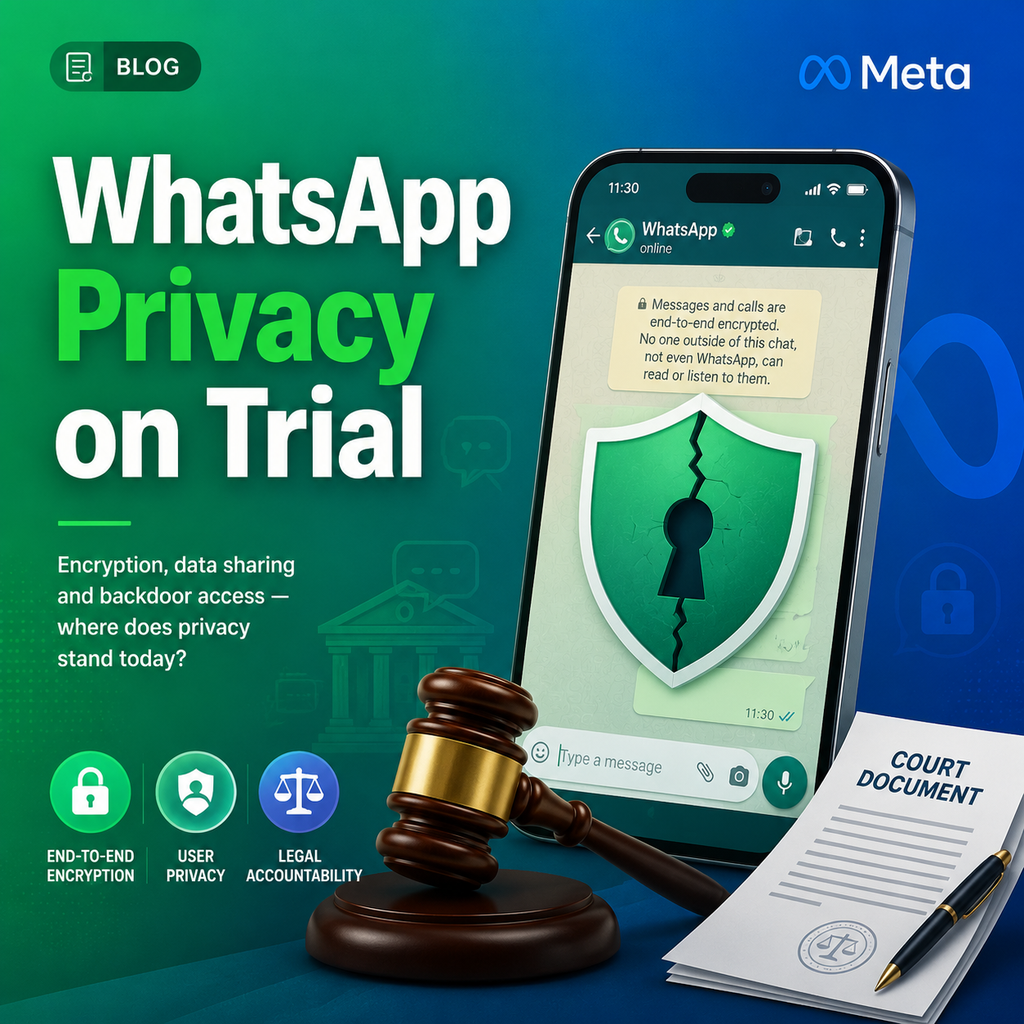
The Encryption Promise Under Fire
When Texas Attorney General Ken Paxton filed a lawsuit against Meta and WhatsApp, it ignited a debate that has been simmering for years: just how private are WhatsApp's supposedly encrypted messages? The lawsuit, grounded in consumer protection laws, alleges that Meta has misled users by claiming that WhatsApp messages are fully end-to-end encrypted and inaccessible to anyone except sender and recipient. Yet, according to the complaint, Meta has allegedly maintained a "backdoor" that allows employees, contractors, and third parties to intercept and read user communications without consent.
This legal challenge taps into a deep well of user frustration and skepticism. While Meta has long marketed WhatsApp as a fortress of privacy, whistleblower accounts and internal security assessments suggest otherwise. The case aims to force Meta to either prove that its encryption is truly impenetrable or face penalties for deceptive practices. At stake is not just Meta's credibility, but the very trust users place in encrypted messaging platforms.
The Backdoor Allegation: Circumventing Encryption
Central to the lawsuit is the claim that Meta and WhatsApp have created a deliberate backdoor in the WhatsApp source code. The complaint details how this backdoor allegedly allows Meta employees and third-party contractors—such as Accenture—to access user messages under the guise of reviewing flagged content for fraud or policy violations. However, the lawsuit argues that this access goes far beyond necessary moderation, granting broad, unfettered visibility into private communications without user knowledge or consent.
Whistleblower accounts have bolstered these allegations. A former WhatsApp security head, Attaullah Baig, filed a separate lawsuit claiming that as many as 1,500 WhatsApp engineers had unrestricted access to user data, including message content, without proper oversight or audit trails. While Meta denies these claims, the pattern of internal reports and subsequent legal action paints a troubling picture for privacy-conscious users.
Hidden Code and Unverifiable Promises
The lawsuit also points out that WhatsApp's encryption source code is not publicly available, making it impossible for independent security researchers to verify that it functions without backdoors. This opacity contradicts Meta's marketing narrative of transparency and security. By keeping the code closed, Meta effectively prevents external validation of its privacy claims.
In contrast, competitors like Signal have open-source code, allowing anyone to inspect the encryption. This difference has become a key argument in the case. The plaintiffs contend that if WhatsApp were truly private, Meta would not need to hide its implementation details. The lack of independent verification leaves users relying solely on Meta's word—a word now being legally challenged.
Texas Takes a Stand: Consumer Protection at the Forefront
Texas Attorney General Ken Paxton has built his case around the state's Deceptive Trade Practices Act, arguing that Meta's marketing promises constitute a binding contract with users. The lawsuit seeks an injunction to prevent Meta from accessing messages without consent, along with monetary penalties. Texas has a history of aggressive privacy litigation; in 2025, the state secured a $1.375 billion settlement from Google over similar tracking allegations.
The timing of this lawsuit is significant. It follows a federal investigation into Meta's data practices and a pending class-action suit on behalf of U.S. WhatsApp users dating back to 2016. If Texas succeeds, it could set a precedent that forces Meta to change its data practices nationwide, potentially reshaping how encrypted messaging services operate.
The Broader Implications for Messaging Apps
This case isn't just about Meta—it raises fundamental questions about the nature of encryption itself. If a company can create a backdoor, even for legitimate purposes like fighting spam or illegal content, does it truly offer end-to-end encryption? The Texas lawsuit argues that the answer is no, and that users have been deceived into believing a level of privacy that doesn't exist.
For the average user, these revelations are alarming. Many choose WhatsApp over other apps precisely because of its encryption promises. If those promises are hollow, users may flock to alternatives like Signal or Telegram. The market for messaging apps could shift dramatically if courts find Meta liable for misrepresenting its security features.
Meta's Defense: Denials and PR Pushback
Meta has responded forcefully, with spokesperson Adam Stone calling the allegations "untrue" and asserting that the company cannot read encrypted messages. In public statements, Meta emphasizes that it has no technical ability to access message content and that the so-called backdoor is a myth. The company also downplays whistleblower claims, dismissing Baig as a former employee with limited insight.
Yet, internal documents cited in the lawsuit suggest that Meta's security teams have grappled with how to balance user privacy with the need to moderate illegal content. The company's own security assessments reportedly flagged risks of unauthorized access—claims that now form the backbone of the legal challenge. Meta's defense will likely hinge on proving that any access to messages is incidental and not intentional.
The Role of Behavioral Telemetry
Meta might argue that data collection falls under "behavioral telemetry" rather than message content interception. Telemetry data, such as when a user is active or how often they message, is different from reading the messages themselves. However, the lawsuit contends that Meta's access goes beyond telemetry to include plaintext message content, which would be a clear violation of privacy promises.
This distinction is technical but crucial. If Meta can prove that its access is limited to metadata, it might avoid liability. But the whistleblower accounts and the scope of the engineering access suggest a much broader intrusion. The court will likely need to hear expert testimony to determine where the line was crossed—if at all.
Whistleblower Testimony and Federal Investigations
The lawsuit draws heavily on whistleblower reports, including those from Baig and other former employees. These insiders claim that Meta's internal culture prioritized growth and moderation over user privacy. Baig's whistleblower suit, which he filed after being terminated, alleges that Meta retaliated against him for raising security concerns. His testimony could be pivotal if the case goes to trial.
Additionally, the U.S. Department of Commerce has launched a special investigation into the allegations, signaling that federal scrutiny is mounting. If the government finds evidence of systematic privacy breaches, Meta could face not only state-level sanctions but also federal penalties. The combination of state and federal action creates a high-stakes environment for the company.
What This Means for WhatsApp Users
For the estimated hundreds of millions of Americans who use WhatsApp, the lawsuit underscores a hard truth: even encrypted platforms may not be as private as they claim. Users are left to weigh the convenience of the app against the risk of their messages being read by third parties. While no data breach has been proven, the potential for access alone may be enough to shake user confidence.
In the immediate term, users may seek alternatives or adjust their expectations. But the bigger question is whether this lawsuit will lead to greater transparency in the tech industry. If Meta is forced to open its encryption code or submit to independent audits, the outcome could benefit every user of encrypted messaging services—by ensuring that promises are backed by proof.
As the legal proceedings unfold, the eyes of privacy advocates, regulators, and everyday users will be on the Texas courtroom. The verdict could redefine what "end-to-end encryption" really means in a world where trust is often the only guarantee.