

 Русский
 Turkish
 Português (Brasil)
 한국어
한국어 العربية
 Español
 ไทย
ไทย Tiếng Việt
 Français
 中文
中文 Deutsch
 Bahasa Indonesia
 Italiano
 日本語
日本語 Polski
 Українська
 فارسی
فارسی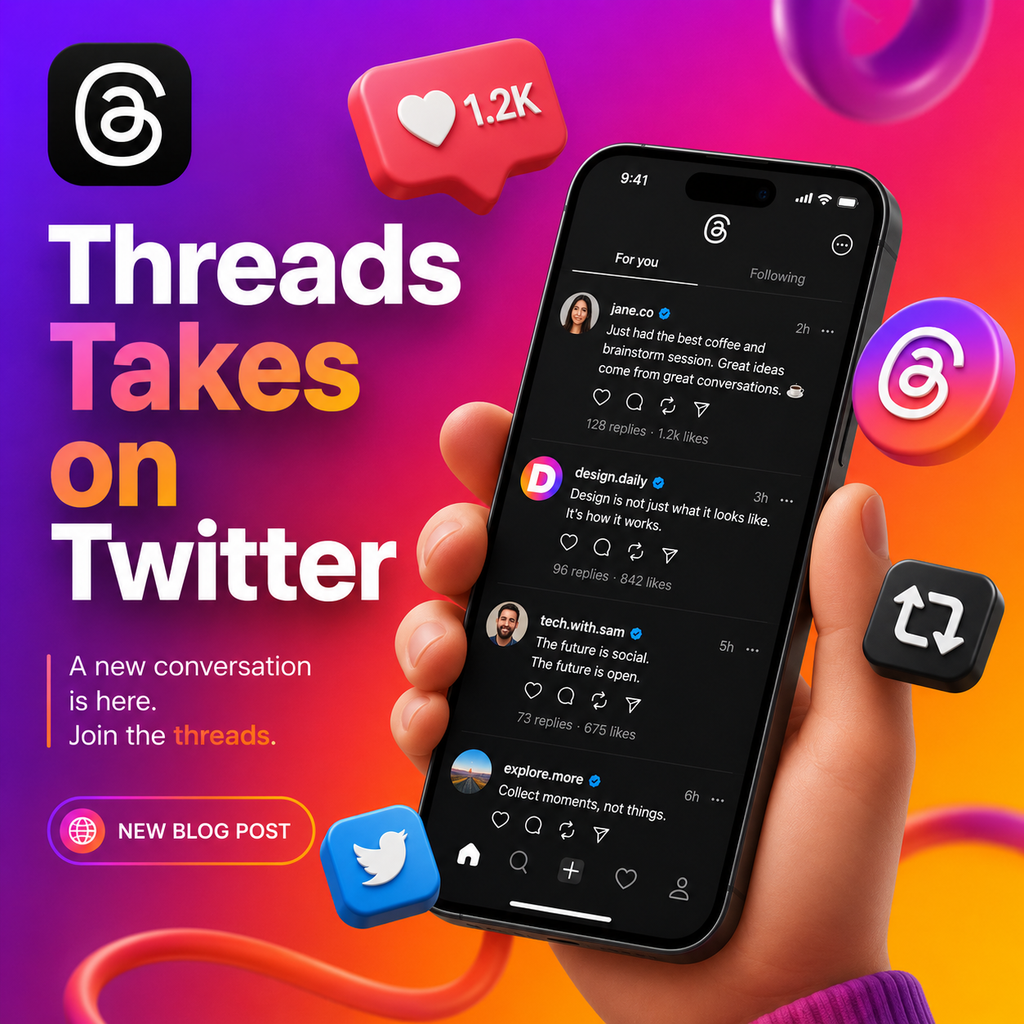
A Surprise Launch Shakes Up Social Media
Meta's highly anticipated Threads app arrived a day earlier than expected, launching on July 5, 2023, at 7 p.m. ET instead of the originally scheduled July 6. The move caught many off guard but immediately paid off: within hours, over 10 million users had signed up, according to CEO Mark Zuckerberg. By the next morning, that number had doubled to 20 million, signaling a massive appetite for a Twitter alternative amid growing dissatisfaction with Elon Musk's leadership at the platform. Threads integrates tightly with Instagram, allowing users to carry over their existing usernames and follow lists, which helped accelerate adoption.
The early launch was a strategic pivot designed to capitalize on Twitter's ongoing turbulence. With many users seeking a fresh start, Meta positioned Threads as a welcoming, creator-friendly space for real-time public conversations. The app's simple interface—featuring text posts, replies, likes, and reposts—mirrors Twitter's core functionality, making it easy for newcomers to transition.
Unprecedented Growth and Initial Hype
Threads shattered records in its first days, becoming the fastest-growing consumer software application in history. It crossed 100 million users within five days, surpassing the previous record held by ChatGPT. This explosive growth was fueled by Instagram's massive user base of over a billion people, as well as the seamless onboarding process that allowed users to follow the same accounts they already followed on Instagram. The launch was available in more than 100 countries, instantly giving Threads a global footprint. However, the European Union was notably excluded due to regulatory uncertainties around data collection and privacy, a gap that would take months to address.
The Hype Quickly Fades
Despite the initial frenzy, early active user numbers were not sustained. By the end of July 2023, daily active users had plummeted more than 80% to around 8 million. Many users cited the lack of essential features—such as keyword search, trending topics, and a dedicated following feed—as reasons for abandoning the app. Threads felt like a stripped-down version of Twitter, lacking the tools that power users rely on for news, discovery, and conversation. The app also faced criticism for being too tightly integrated with Instagram, making it feel less like a standalone platform and more like an extension of the photo-sharing app.
Bridging the Feature Gap
Meta quickly got to work improving Threads. In August 2023, the company launched a web version, addressing one of the biggest complaints from desktop users. This was followed by a Following Feed, which allowed users to see posts only from accounts they follow, rather than an algorithm-driven mix. The ability to edit posts, search with keywords, and tag topics were also rolled out, gradually making Threads more competitive with X (formerly Twitter). By December 2023, Threads finally launched in the European Union after a five-month delay, expanding its potential reach. These updates helped stabilize the user base, and by Q3 2025, Threads reported over 400 million monthly active users—a sign that the platform had found its footing.
The Road Ahead: Challenges and Opportunities
While Threads has recovered from its post-launch slump, it still faces significant hurdles. The platform lacks the real-time news and event-driven conversations that made Twitter indispensable for journalists, politicians, and activists. Its user base remains heavily skewed toward Instagram creators and casual posters, limiting its utility as a breaking news source. Additionally, regulatory concerns in the EU and elsewhere continue to pose risks. However, Meta's commitment to making Threads compatible with ActivityPub—the open protocol behind Mastodon—could be a game-changer. This would allow users to take their identities and followers to other federated platforms, creating a more interconnected social media ecosystem. If Meta can execute on this vision, Threads could redefine how we think about social networks, moving away from walled gardens toward a more open and portable web.