

 Русский
 Turkish
 Português (Brasil)
 한국어
한국어 العربية
 Español
 ไทย
ไทย Tiếng Việt
 Français
 中文
中文 Deutsch
 Bahasa Indonesia
 Italiano
 日本語
日本語 Polski
 Українська
 فارسی
فارسی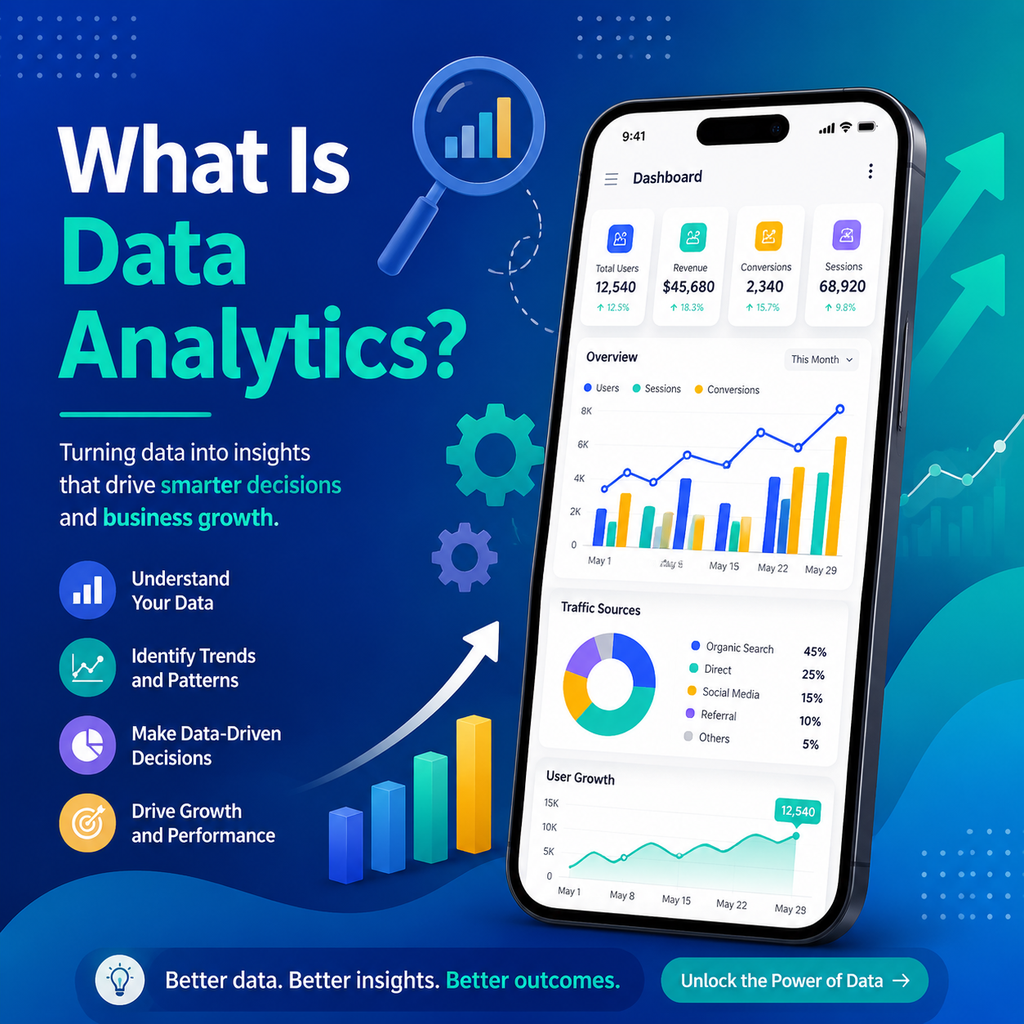
Understanding Data Analytics
Data analytics is the practice of using specialized tools and techniques to collect, process, and analyze data to uncover meaningful insights. By examining raw data, organizations can identify patterns, correlations, and trends that inform decision-making, improve operations, and drive growth. This process integrates technologies like big data platforms, statistical models, and machine learning to transform vast amounts of information into actionable intelligence. Whether it's real-time monitoring or deep historical analysis, data analytics empowers businesses to move from gut instincts to data-driven strategies.
Modern data analytics goes beyond simple reporting—it encompasses descriptive, diagnostic, predictive, and prescriptive analytics. Descriptive analytics explains what happened, diagnostic analytics digs into why it happened, predictive analytics forecasts future outcomes, and prescriptive analytics recommends actions. This layered approach enables organizations to not only understand their past and present but also proactively shape their future.
Key Benefits of Data Analytics
Data analytics offers a range of advantages that can transform businesses. One primary benefit is informed decision-making: by verifying instincts with data, leaders can weigh historical context, direct variables, and external factors like market trends or publicly available datasets. This leads to more confident, well-rounded decisions. Another critical advantage is operational efficiency: analytics can map end-to-end workflows, pinpoint bottlenecks, and streamline processes—such as optimizing supply chains by identifying shipping delays or inventory losses. Enhanced customer experience also emerges, as analytics personalizes marketing and improves service touchpoints. Finally, revenue growth and competitive advantage come from uncovering market segments, seasonal patterns, and competitor blind spots, allowing companies to capitalize on opportunities while reducing risk through better forecasting.
Types of Data Analytics
Data analytics is commonly broken into four types. Descriptive analytics summarizes historical data to answer “what happened?”—like monthly sales reports. Diagnostic analytics dives deeper to explain why something occurred, using techniques such as drill-down or correlation analysis. Predictive analytics employs statistical models and machine learning to forecast future events, such as customer churn or demand spikes. Finally, prescriptive analytics suggests optimal actions based on predictions, like adjusting inventory levels or pricing strategies. Each type builds on the previous, providing a comprehensive toolkit for deriving value from data.
Real-World Applications
Across industries, these analytics types are put to work. In healthcare, predictive models forecast patient admissions, helping hospitals allocate staff and reduce wait times. In finance, prescriptive analytics guide investment portfolios and detect fraud. Retailers use descriptive and predictive analytics to manage stock and personalize promotions. The versatility of these approaches makes data analytics indispensable for modern organizations.
Practical Uses Across Industries
Data analytics has a wide range of practical applications that drive innovation. In healthcare, hospitals analyze patient data to predict health events, reduce hospitalizations, and improve diagnostics. For example, some systems can identify at-risk patients days earlier than traditional methods. In banking and finance, analytics helps detect fraudulent transactions, assess creditworthiness, and offer personalized financial advice. E-commerce platforms leverage customer behavior data to recommend products and optimize marketing campaigns, boosting sales and loyalty. Cybersecurity teams use analytics to monitor network traffic and identify threats in real-time, while manufacturing deploys predictive maintenance to prevent equipment failures. Even local governments use analytics to improve sustainability by tracking energy use and emissions, enabling smarter city planning.
Transportation and Logistics
Logistics companies analyze route data to minimize costs and delivery times. Airlines use analytics to predict delays, plan routes, and even decide which aircraft to purchase. During major events like the Olympics, transportation officials rely on data from past events to manage crowds smoothly. Supply chain managers use scenario planning to anticipate disruptions, such as factory shutdowns or shipping delays, and develop contingency strategies.
How to Get Started with Data Analytics
Implementing data analytics begins with a clear strategy. First, define business objectives—whether it’s improving customer retention, reducing costs, or increasing revenue. Next, ensure you have access to quality data from internal systems (e.g., CRM, ERP) and external sources. Invest in the right tools, such as cloud-based analytics platforms or open-source frameworks like Python and R. Building a skilled team—data analysts, data scientists, and business stakeholders—is crucial. Start with small, focused projects to demonstrate value, then scale gradually. It's also important to establish data governance to maintain accuracy, security, and compliance. As you mature, adopt advanced techniques like machine learning to unlock deeper insights and automate decision-making.
Embracing a data-driven culture is the final piece. Encourage experimentation, share successes, and continuously iterate. With the right approach, data analytics can become a powerful engine for innovation and growth, helping organizations navigate uncertainty and seize new opportunities.