

 Русский
 Turkish
 Português (Brasil)
 한국어
한국어 العربية
 Español
 ไทย
ไทย Tiếng Việt
 Français
 中文
中文 Deutsch
 Bahasa Indonesia
 Italiano
 日本語
日本語 Polski
 Українська
 فارسی
فارسی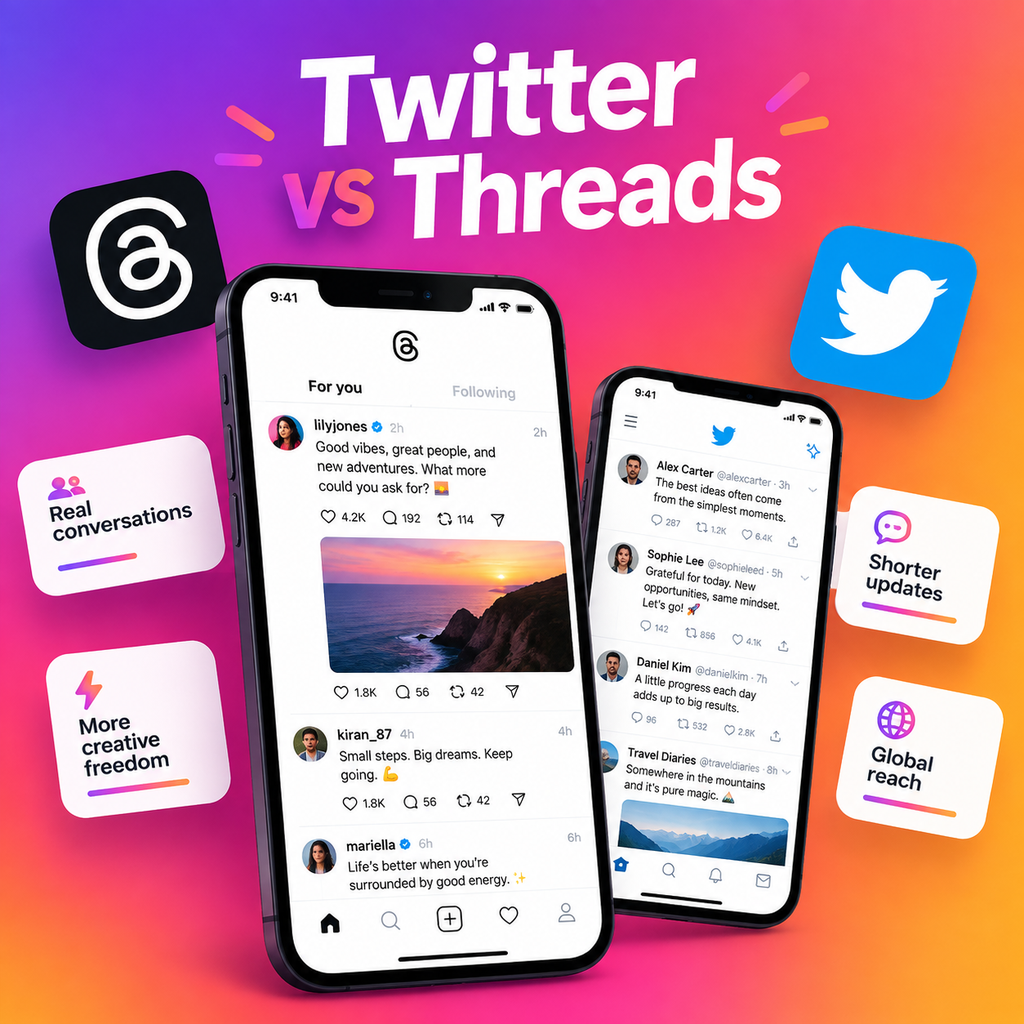
Jack Dorsey's Blunt Critique: 'We Got 7 Twitter Clones'
As Meta prepared to launch its highly anticipated Twitter competitor, Threads, on July 6, 2023, Jack Dorsey didn't hold back. The Twitter co-founder and former CEO took to his own platform to express his disdain, tweeting, "We wanted flying cars, instead we got 7 Twitter clones." The remark was a direct response to a post by Andy Allen, founder of the Not Boring app, who shared a collage of similar-looking social platforms with the caption: "Gotta say, it feels like we missed an opportunity to reinvent social. Can you tell them apart?"
Dorsey's criticism resonated with many who felt that the new wave of social media apps—including Threads, Bluesky, Mastodon, and others—were merely rehashing Twitter's formula rather than innovating. For Dorsey, it was a missed opportunity to reimagine what social networking could be.
The Irony of Dorsey's Position
Not long after Dorsey's initial jab, a user pointed out the irony: Dorsey himself had a hand in creating two of the seven "clones" he lamented—Twitter and Bluesky. Dorsey was quick to defend his involvement, replying, "No. Bluesky and nostr are protocols that Twitter can build upon. Would remove some constraints and burden. Not competitive."
This distinction highlights Dorsey's belief in decentralized protocols over centralized platforms. While Threads operates as a centralized app owned by Meta, Dorsey envisions Bluesky and Nostr as open protocols that could foster a more interoperable and user-controlled social web. His critique, therefore, wasn't just about imitation but about the fundamental architecture of these new networks.
Threads' Record-Breaking Launch
Despite Dorsey's skepticism, Threads experienced a meteoric rise. Within just seven hours of its launch, the app garnered over 10 million sign-ups, according to early reports. By the next day, that number had swelled to more than 72 million users, as tracked by Quiver Quantitative. The app's seamless integration with Instagram—allowing users to sign in with their existing accounts and follow the same profiles—undoubtedly fueled this rapid adoption.
Meta's strategic leveraging of Instagram's massive user base gave Threads an unprecedented advantage. However, the question remained: could it sustain this momentum and truly compete with Twitter, or would it become just another clone in a crowded field?
Elon Musk and Jack Dorsey: United in Mockery
Jack Dorsey wasn't alone in his criticism. Elon Musk, who had acquired Twitter in 2022, also weighed in. When Dorsey tweeted "All your Threads are belong to us," a playful jab at Meta's data collection practices, Musk replied with a simple "Yeah." The exchange underscored a rare moment of alignment between the two tech titans, both of whom seemed wary of Meta's encroachment on Twitter's territory.
Musk's own tumultuous tenure at Twitter had already stirred the pot, and Threads' launch added fuel to the fire. The rivalry between Meta and Twitter was heating up, with users and pundits alike watching closely to see how the battle would unfold.
The Data Privacy Question
Dorsey's "All your Threads are belong to us" tweet was more than a meme—it was a pointed reference to the extensive data permissions Threads requires. The app's App Store listing revealed that it could collect a wide range of user data, including health and fitness information, financial data, and browsing history. This raised eyebrows among privacy advocates and added another layer to the criticism.
Meta's history with data privacy controversies made it an easy target. Dorsey and Musk's mockery tapped into a broader unease about how much power and information Meta would wield through Threads. For users concerned about privacy, the app's launch was a double-edged sword: convenient but potentially invasive.
The 'Project 92' Backstory and Allegations of Poaching
Threads wasn't a spontaneous creation; it had been in development since January 2023 under the codename "Project 92." Rumors swirled that Meta had poached former Twitter employees to build the app, prompting threats of legal action from Twitter's camp. Meta denied the allegations, stating that no former Twitter engineers were part of Threads' team.
Regardless of the truth, the controversy added to the narrative that Threads was designed to be a direct copycat. It also highlighted the intense competition for talent and ideas in the social media industry, where differentiation is increasingly hard to achieve.
What Threads Means for the Future of Social Media
Jack Dorsey's critique of Threads as just another Twitter clone raises a fundamental question: has social media innovation stalled? The proliferation of similar text-based platforms suggests that companies are more focused on capturing market share than on reimagining how we connect online. Yet, the excitement around Threads also shows that users are hungry for alternatives, even if they look familiar.
Dorsey's vision of decentralized protocols like Bluesky and Nostr may point to a different path—one where users have more control and platforms can interoperate. But for now, the battle is being fought among centralized giants. As Threads continues to grow, its success will depend on whether it can offer something genuinely new, or whether it will remain, in Dorsey's words, just another clone. The coming months will reveal whether Meta can innovate beyond imitation and whether users will embrace yet another Twitter-like experience.