

 Русский
 Turkish
 Português (Brasil)
 한국어
한국어 العربية
 Español
 ไทย
ไทย Tiếng Việt
 Français
 中文
中文 Deutsch
 Bahasa Indonesia
 Italiano
 日本語
日本語 Polski
 Українська
 فارسی
فارسی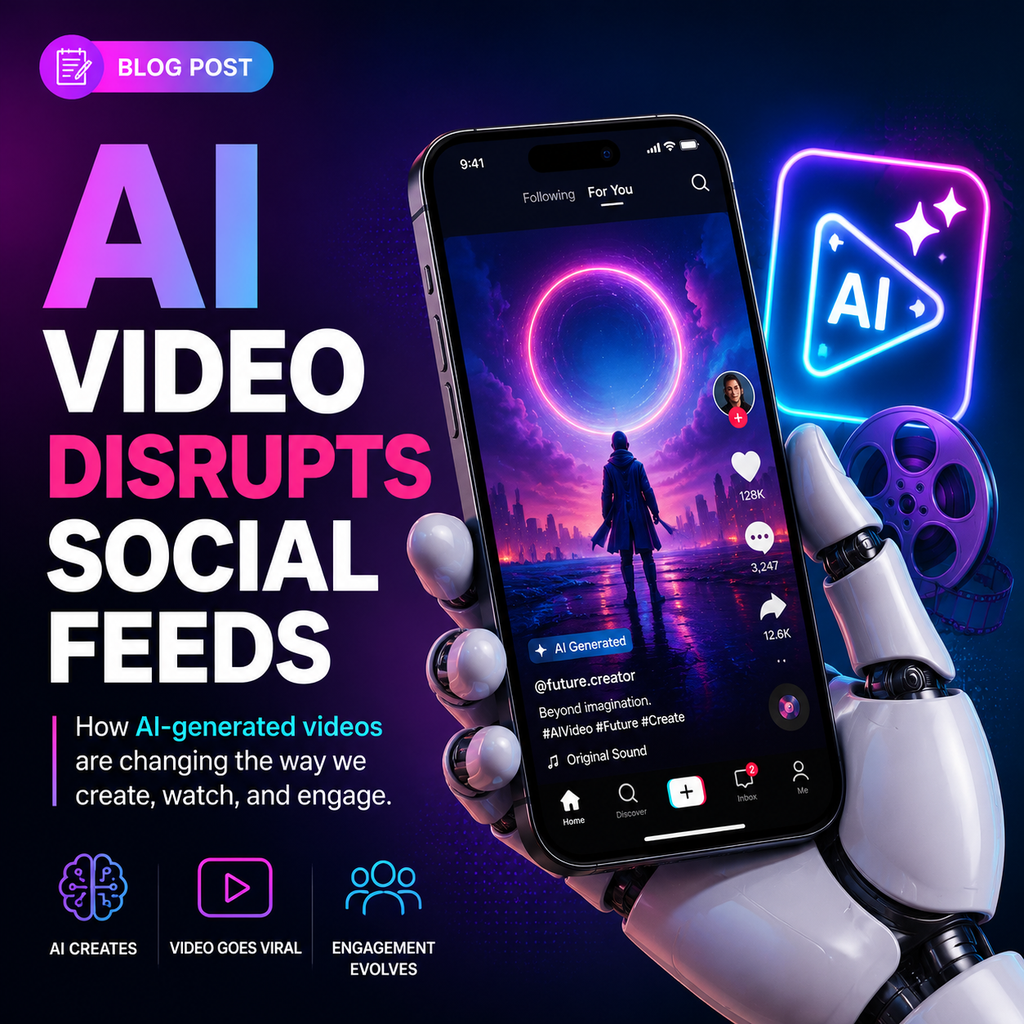
The Rise of AI-Generated Video on Social Feeds
Scroll through Instagram, TikTok, or YouTube Shorts today, and you'll likely encounter videos that look real but were entirely generated by artificial intelligence. From lifelike avatars delivering scripts to surreal clips conjured from text prompts, generative AI video is rapidly populating social media feeds. This shift isn't just a novelty—it's a fundamental change in how content is created, distributed, and consumed. For social media companies built on user-generated content, this presents both opportunities and existential threats.
How Generative Video is Reshaping Content Creation
Generative AI video tools like Google Veo, Runway, and Luma AI have democratized video production. Anyone can now create high-quality, platform-ready videos without cameras, studios, or editing skills. For instance, a simple text prompt can generate a cinematic short film or a product demo. This lowers the barrier to entry for creators, leading to an explosion of content. Social media platforms, which thrive on fresh material, benefit from increased volume, but they also face challenges in maintaining authenticity and quality control.
The Impact on Creator Workflows
Tools like HeyGen and Synthesia enable creators to produce videos with AI avatars that speak in multiple languages, allowing them to reach global audiences effortlessly. Instead of spending hours filming and editing, a creator can type a script and generate a finished video in minutes. This efficiency means more posts, more experiments, and potentially more virality. However, it also blurs the line between human and machine-generated content, raising questions about authenticity and trust.
Disruption to Social Media Business Models
Social media companies rely on ad revenue and engagement metrics, both of which are influenced by content quality and originality. If AI-generated videos flood feeds, platforms must adapt their algorithms to prioritize engaging content while avoiding low-quality or spammy AI material. Moreover, the ability to produce content at scale could dilute the value of organic reach, pushing platforms to emphasize paid promotion. This could shift power away from individual creators toward those with resources to deploy AI tools at scale.
Advertising and Brand Content
Brands using AI video generators like invideo AI or Pictory can produce polished ads quickly, reducing production costs. This could lead to a surge in sponsored content, potentially overwhelming organic posts. Social media platforms may need to introduce new ad formats or regulations to maintain user experience. Additionally, AI-generated ads that mimic human creators could deceive audiences, leading to regulatory scrutiny and requiring platforms to implement labeling systems.
Challenges of Moderation and Authenticity
As generative video becomes more realistic, distinguishing real from AI-generated content becomes harder. This poses significant challenges for content moderation. Platforms must invest in detection technologies to flag deepfakes, misleading content, and violations of community guidelines. Failure to do so could erode user trust—a critical asset for social media companies. Moreover, the ease of creating convincing fake videos could amplify misinformation, forcing platforms to develop robust verification systems.
Opportunities for Innovation
Despite the risks, generative AI video offers opportunities for social media platforms to innovate. For example, platforms could integrate AI video creation tools directly into their apps, allowing users to generate clips without leaving the platform. This would keep users engaged longer and provide new revenue streams through premium AI features. Additionally, AI could personalize video feeds by generating tailored content based on user preferences, increasing relevancy and time spent on site.
The Future of Social Media in an AI-Video World
Generative AI video is not a passing trend; it's a technological shift that will redefine social media. Companies that embrace this change—by fostering creator tools, ensuring transparency, and adapting monetization models—will thrive. Those that resist may find their feeds overrun with low-quality AI content or lose users to platforms that better integrate AI. The key lies in balancing innovation with authenticity, using AI to enhance human creativity rather than replace it. As the line between real and synthetic blurs, the most successful social media companies will be those that prioritize trust and user experience above all else.