

 Русский
 Turkish
 Português (Brasil)
 한국어
한국어 العربية
 Español
 ไทย
ไทย Tiếng Việt
 Français
 中文
中文 Deutsch
 Bahasa Indonesia
 Italiano
 日本語
日本語 Polski
 Українська
 فارسی
فارسی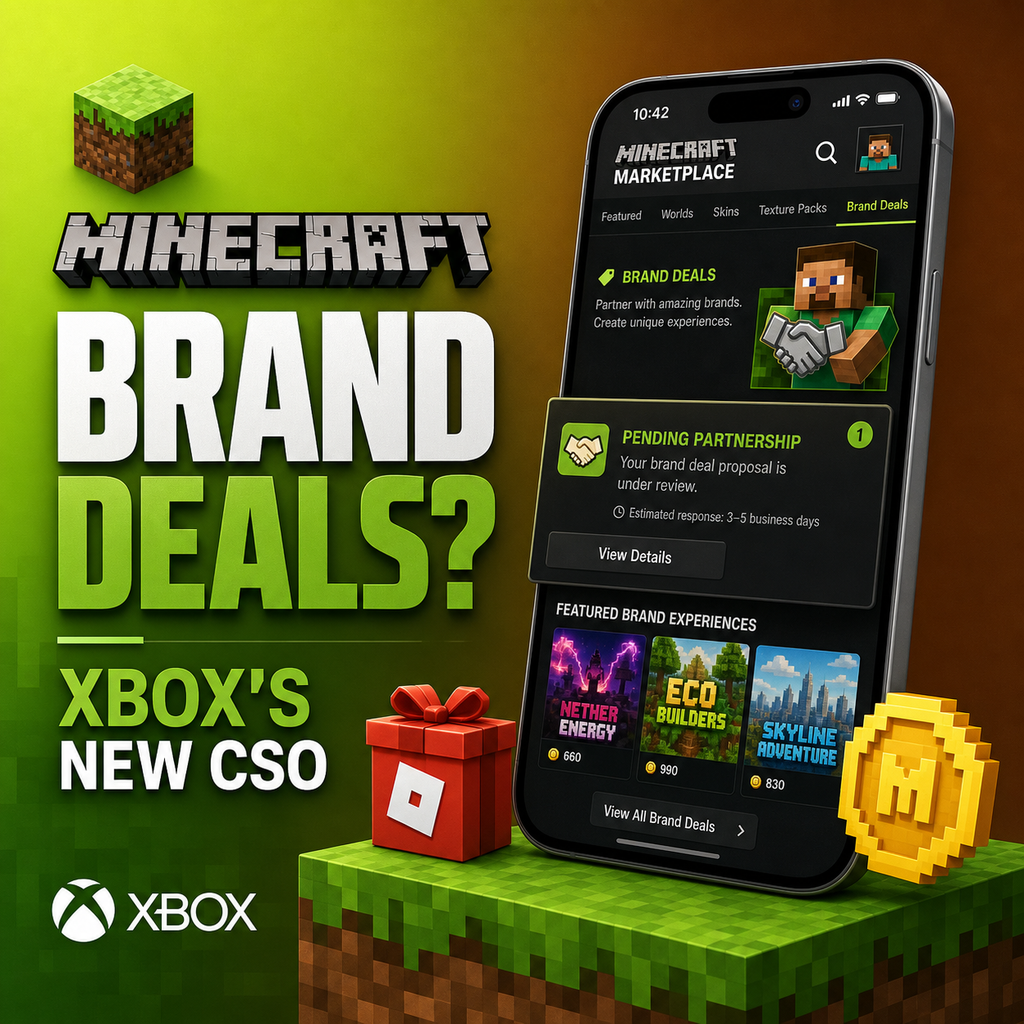
Why Minecraft Creators Are Eyeing Roblox's Playbook
Minecraft creators have long watched Roblox’s booming creator economy with a mix of envy and inspiration. On Roblox, independent developers routinely secure brand deals worth hundreds of thousands of dollars, partnering with companies like Nike, Gucci, and Vans to build immersive branded experiences. Minecraft, despite its massive player base and cultural footprint, has lagged behind in formalizing similar opportunities for its creators. Now, with the appointment of Matthew Ball as Xbox’s new chief strategy officer, many see a potential shift on the horizon.
Ball, known for his deep expertise in media, gaming, and the metaverse, has previously written extensively about the convergence of gaming and advertising. His arrival at Xbox signals a possible strategic pivot toward enabling more creator-driven brand integrations within Minecraft. For creators, this could mean access to tools, permissions, and revenue-sharing models that make Roblox-style brand deals feasible.
The Gap Between Minecraft and Roblox's Creator Economies
Roblox’s success with brand deals stems from its robust creator infrastructure. The platform offers native monetization tools, branded asset packs, and a clear legal framework for collaborations. In contrast, Minecraft’s creator economy has been more fragmented. While modders and map makers thrive on platforms like CurseForge and Planet Minecraft, official brand partnerships have largely been limited to major entities like Minecraft Marketplace partners or high-profile collaborations with companies like BBC or Nvidia.
This disparity has left many independent creators feeling left out. A Minecraft builder with tens of thousands of followers often has less direct access to brand deals than a Roblox developer with a similar audience. The difference isn't just about size—it's about infrastructure. Roblox provides a centralized marketplace, API integrations for branded items, and a clear revenue split. Minecraft, despite its Marketplace, lacks equivalent tools for dynamic brand integrations.
Matthew Ball's Vision for Xbox and Minecraft
Matthew Ball is no stranger to these issues. As a former Amazon Studios executive and author of The Metaverse, he has consistently argued that gaming platforms must evolve into advertising and commerce ecosystems. In his essays, Ball has highlighted how Roblox and Fortnite have successfully blurred the lines between gaming, social media, and brand marketing. At Xbox, his role is expected to shape the company's strategy around creator empowerment and platform monetization.
For Minecraft, this could mean several changes: a revamped Brand Partner Program that extends to individual creators, simplified licensing for user-generated content featuring third-party brands, or even a revenue-sharing model for branded maps and mods. Ball’s background also suggests a focus on cross-platform consistency, ensuring that brand deals work seamlessly across Minecraft's many editions.
What Roblox-Style Brand Deals Might Look Like in Minecraft
Imagining a Roblox-like brand deal ecosystem in Minecraft requires rethinking how creators and brands interact. On Roblox, a typical deal involves a brand paying a developer to build an experience (e.g., a virtual store or game), which then drives engagement and brand awareness. The developer earns a cut of any in-experience purchases. For Minecraft, analogous opportunities could include:
- Branded Adventure Maps: A car company pays a creator to build a racing map featuring its vehicles, with custom textures and mechanics.
- Mods as Marketing: A food brand sponsors a hunger-themed mod that adds its products to the game, complete with branded packaging.
- Server Sponsorships: Brands sponsor popular multiplayer servers with virtual goods, events, or exclusive mini-games.
Implementing such deals would require Minecraft to provide clear guidelines, asset templates, and enforcement against misuse. Ball's strategic oversight could help streamline these processes, making Minecraft more attractive to brands seeking authentic creator partnerships.
The Creator Economy's Main Hurdles
Despite the potential, several obstacles remain. Minecraft's decentralized nature (multiple versions, modding platforms, and server software) makes standardization difficult. Roblox benefits from a single client and unified API, whereas Minecraft's Java and Bedrock editions have different capabilities. Additionally, brand safety concerns—such as unauthorized use of intellectual property or inappropriate content—loom larger in an open-world game like Minecraft.
Another challenge is the cultural difference between the two platforms. Roblox's user base is younger and more accustomed to branded experiences, while Minecraft's audience is broader and sometimes resistant to commercialization. Creators worry that aggressive brand integration could alienate core fans. Ball will need to navigate these sensitivities carefully, perhaps starting with opt-in programs or limited-time partnerships.
A New Chapter for Minecraft's Creators
Matthew Ball's appointment is a clear signal that Xbox is thinking seriously about the future of creator monetization. For Minecraft creators, the prospect of Roblox-style brand deals represents a genuine opportunity to turn their passion into a sustainable career. While the path forward involves technical and cultural shifts, the potential rewards are immense. By learning from Roblox's successes and adapting them to Minecraft's unique ecosystem, Xbox could unlock a new wave of innovation and economic growth within one of gaming's most beloved worlds. The key will be moving fast—before creators and brands take their ambitions elsewhere. As Ball settles into his role, all eyes are on how he will bridge the gap between platform strategy and creator reality.