WhatsApp's New Delete Feature: What We Know So Far
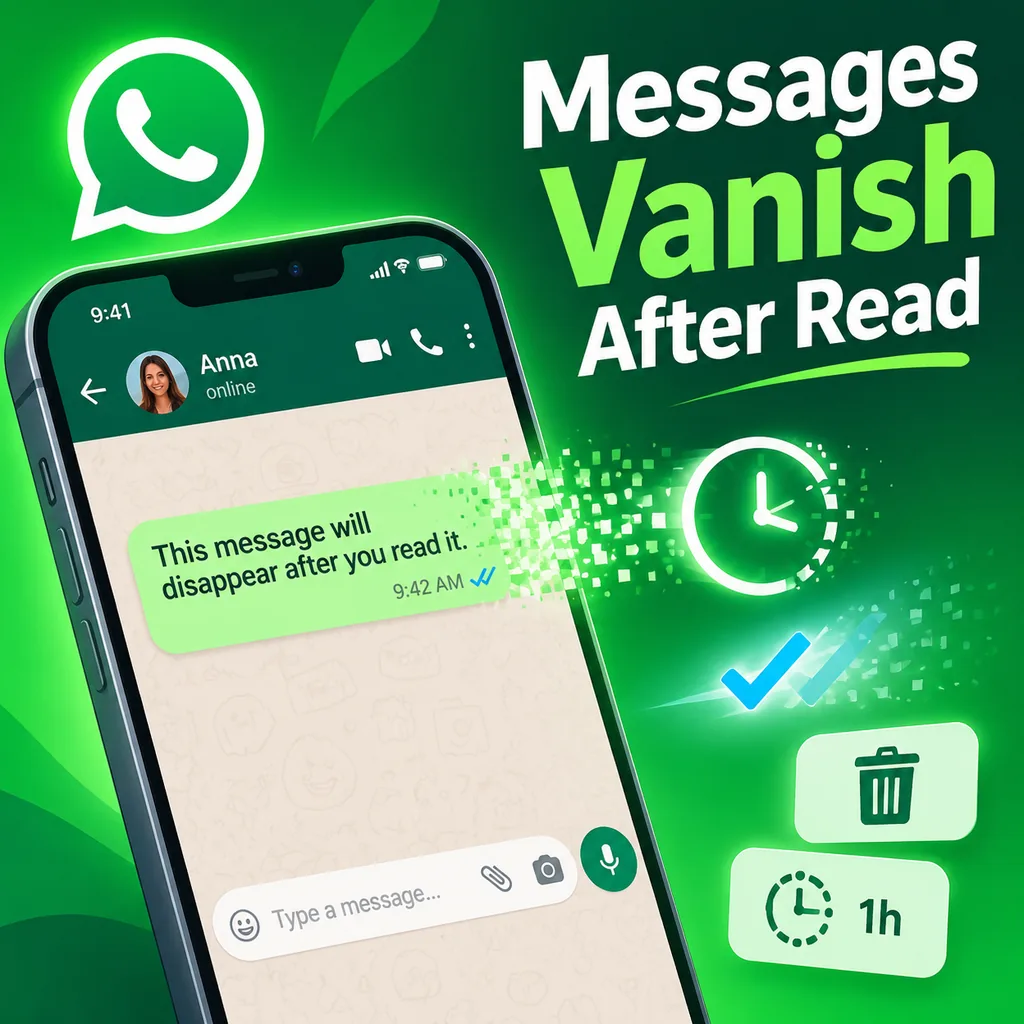
WhatsApp is reportedly testing a new feature that could change the way we manage our chats. According to recent reports, the messaging platform is working on a tool that allows text messages to disappear immediately after they have been read by the other party. This goes beyond the existing disappearing messages feature, which deletes messages after a set time period regardless of whether they've been read. The new feature, still in development, aims to give users even more control over their message lifespan, ensuring that once a message is seen, it vanishes without a trace. While details are scarce, this move signals WhatsApp's continued focus on privacy and ephemeral communication.
How the Read-Triggered Deletion Works
Unlike the current disappearing messages feature, which starts a timer when a message is sent, this new delete feature would trigger deletion based on when the message is read. This means that the countdown begins only after the recipient opens the chat and views the message. Such a mechanism could be particularly useful for sharing sensitive information that you want to ensure is seen but not retained. For instance, sending a one-time password or a private address that self-destructs after being read. While WhatsApp hasn't officially confirmed the feature, leaked screenshots suggest that users may have the option to enable this read-triggered deletion on a per-chat basis, similar to how disappearing messages work today.
Potential Use Cases
This feature could be a game-changer for scenarios where timing is critical. Imagine coordinating a surprise party or sharing confidential work documents. The read-triggered deletion ensures that the information is consumed and then removed, reducing the risk of it being forwarded or screenshotted later. However, as with any ephemeral messaging, it's not foolproof—recipients can still take screenshots or use other methods to preserve the content. WhatsApp likely acknowledges these limitations, but the feature still adds a layer of privacy that many users desire.


Comparing to Existing Disappearing Messages
WhatsApp already offers disappearing messages, which let you set a timer of 24 hours, 7 days, or 90 days for new messages in a chat. These messages disappear for both sender and recipient after the chosen duration. The key difference with the new feature is the trigger: existing disappearing messages are time-based from the moment they're sent, while the new delete feature is read-based. This subtle shift could make conversations feel more secure, as messages won't linger if they haven't been read yet. However, it also introduces complexity: what if the recipient never reads the message? Would it stay indefinitely? These are questions that WhatsApp will need to address as the feature evolves.
Impact on Privacy and User Control
For privacy-conscious users, this feature adds another tool to their arsenal. It gives them greater control over their digital footprint, ensuring that messages don't persist longer than necessary. But it also raises questions about consent and transparency. Will recipients be notified that the message will disappear after reading? How will this affect the overall chat experience? WhatsApp's existing disappearing messages already show a system notice when enabled, so it's likely similar notifications will be included. Still, users should be aware that no feature can guarantee absolute privacy—screenshots and backups can still capture content.
How to Use Disappearing Messages Today
While the new delete feature is still in testing, you can already use disappearing messages to enhance your privacy. Here's a quick guide:
- Turn on disappearing messages by default: Go to Settings > Privacy > Default message timer, and choose 24 hours, 7 days, or 90 days. This applies to all new individual chats.
- Enable for a specific chat: Open the chat, tap the contact's name, select Disappearing messages, and choose a duration.
- Turn off: Follow the same steps and select Off. Note that turning it off won't restore messages that have already disappeared.
Keep in mind that disappearing messages only affect new messages, not ones sent before the setting was enabled. Also, messages can be kept by anyone in the chat before the timer expires, which stops them from disappearing. For groups, admins can restrict who can change the setting. These controls give you flexibility, but they also mean you should understand the nuances before relying on them for sensitive conversations.
The Future of Ephemeral Messaging on WhatsApp
WhatsApp's exploration of a read-triggered delete feature underscores a broader trend in messaging apps: the shift toward ephemeral communication. Users are increasingly aware of their digital privacy and want more control over their data. By testing this feature, WhatsApp is responding to that demand, potentially setting a new standard for how messages are handled. However, the success of such features depends on user adoption and trust. If WhatsApp can implement it seamlessly, without disrupting the chat experience, it could become a staple for privacy-focused users. As always, we recommend staying informed about updates and using these features responsibly, understanding their limitations. The new delete feature, if rolled out, will likely be another step toward a more private messaging ecosystem—one where messages are transient by design, not by accident.
 Русский
 Turkish
 Português (Brasil)
 한국어
 العربية
 Español
 ไทย
 Tiếng Việt
 Français
 中文
 Deutsch
 Bahasa Indonesia
 Italiano
 日本語
 Polski
 Українська
 فارسی


