

 Русский
 Turkish
 Português (Brasil)
 한국어
한국어 العربية
 Español
 ไทย
ไทย Tiếng Việt
 Français
 中文
中文 Deutsch
 Bahasa Indonesia
 Italiano
 日本語
日本語 Polski
 Українська
 فارسی
فارسی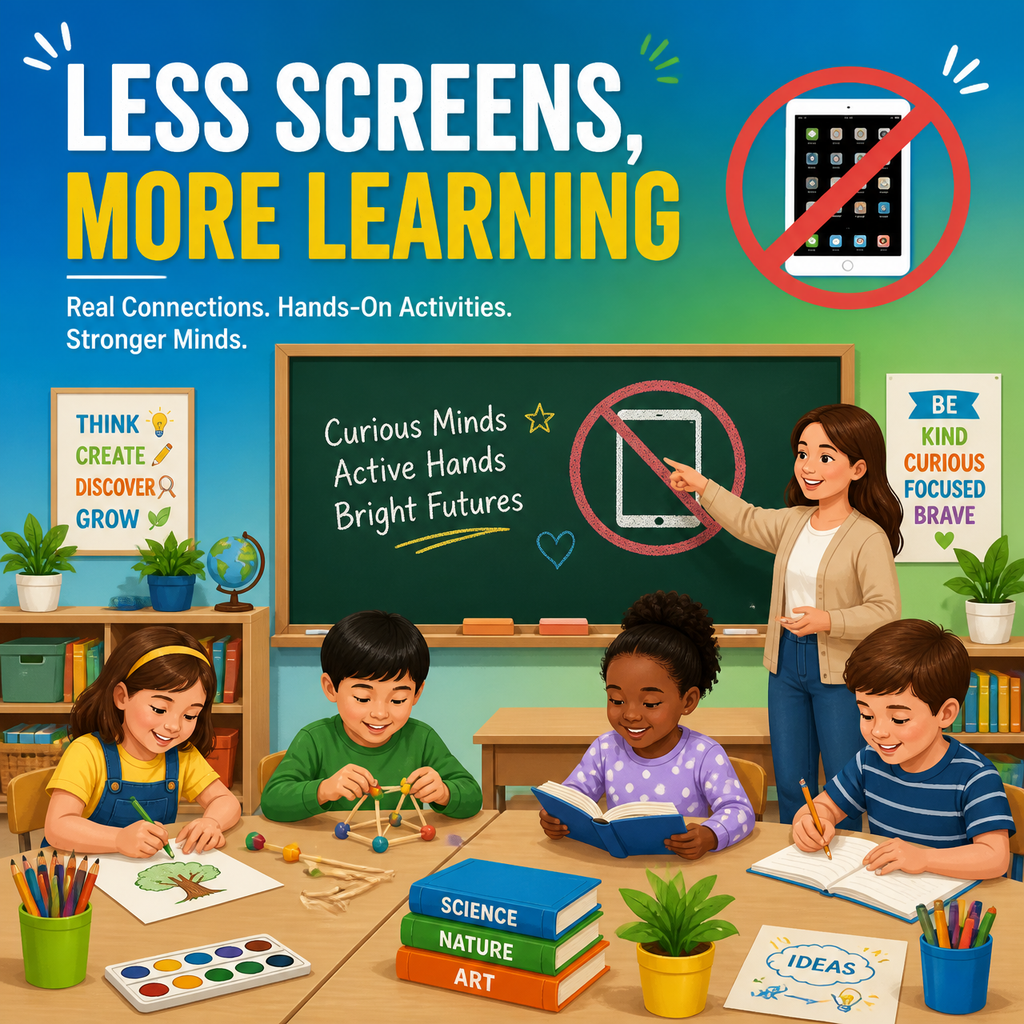
A Grassroots Push for Change
In Worcester, a new parent-led coalition is making waves in the local education scene. Worcester for Safe Student Technology, a group of concerned parents from across the district, is advocating for a significant shift in how early elementary students interact with technology. Their goal is clear: reduce screen time in schools and refocus on hands-on, teacher-guided learning. The movement has gained momentum quickly, with nearly 450 signatures on a petition that will be presented to the School Committee. This isn't just a local hiccup; it's part of a broader national conversation about the role of devices in classrooms.
The coalition's primary demand is straightforward—eliminate internet-enabled devices, including iPads and laptops, for children from preschool through second grade. They argue that these tools, while marketed as educational, often hinder the development of crucial social skills and limit interactive learning. Exceptions would be made only for students who need devices for medical reasons or have them outlined in their Individualized Education Programs (IEPs). This targeted approach shows a balanced perspective, acknowledging that technology can be vital for some learners while being a distraction for others.
Why Parents Are Concerned
The concerns raised by Worcester parents echo a growing body of research on the effects of screen time on young children. Pediatricians and child development experts have long warned about the risks of excessive screen use, including impaired attention spans, reduced physical activity, and delayed language development. For early elementary students, the classroom should be a place of social interaction, creativity, and hands-on exploration. Parents argue that screens, especially those with internet access, can isolate children and reduce opportunities for collaborative learning. By advocating for a screen-restricted environment, they hope to protect the quality of education during these formative years.
The Financial Angle
One of the most compelling arguments the coalition makes is about money. Worcester Public Schools currently leases iPads for its 1:1 Device program, a substantial investment. Parents suggest these funds could be redirected toward books, art supplies, and other tangible learning materials. The petition calls for a transparent, evidence-based review of instructional technology before the program is funded again. This financial perspective resonates with taxpayers who question whether the benefits of devices justify the cost, especially when many families report that screen time at home is already a challenge.
National Context and Precedents
Worcester is not alone in this fight. The nation's second-largest school district recently moved to limit student screen use, and other districts across the country are exploring similar policies. This shift reflects a growing skepticism toward technology in schools, driven by concerns about mental health, academic performance, and the influence of tech companies on education. The Worcester coalition's efforts are part of a larger movement of parents and educators re-evaluating the role of devices in childhood. As more evidence emerges about the downsides of constant connectivity, districts are beginning to listen to these grassroots voices.
What Parents Are Saying
- Screen time restricts educational experiences compared to interactive, social learning.
- Early elementary years are critical for developing social skills that screens can undermine.
- Teachers report that managing devices takes time away from instruction.
- Some parents feel there is no option to opt their child out of school technology use.
Next Steps for the Petition
The petition is scheduled for presentation at the School Committee meeting on Thursday, June 25. Organizers are requesting that the committee forward it to the Worcester Public Schools administration and eventually refer it to a standing subcommittee for a thorough examination. This procedural step is crucial for ensuring that the proposal gets serious consideration. The coalition hopes that a formal review will lead to policy changes that prioritize the well-being and education of the youngest students. They also encourage the community to sign and share the petition to demonstrate widespread support.
Balancing Technology and Tradition
This movement isn't about rejecting technology entirely; it's about finding a healthy balance. As the world becomes more digital, schools must teach children how to use screens responsibly. However, for the youngest learners, the foundation of education should be built on human connection and tactile experiences. By limiting screen time in early grades, Worcester could become a model for other districts seeking to reclaim the classroom from the digital deluge. The parents behind Worcester for Safe Student Technology aren't just saying no to screens; they're saying yes to a more thoughtful, child-centered approach to education. As this story unfolds, it's clear that the conversation about technology in schools is far from over—and Worcester is at the forefront of shaping that narrative.